 The home of cut to size foam
 FAST DELIVERY
 Home
Home


How to Fill a Bean Bag in 5 Easy Steps
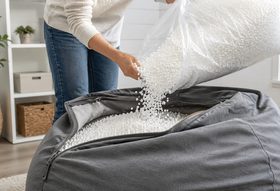
Bean bags gradually lose their shape as the filling settles and compresses. Refilling one can bring back its comfort and support, but the job is much easier when you prepare the room and choose the right filling first.
What Are Bean Bags Used For?
Bean bags are popular for casual seating in bedrooms, playrooms, gaming spaces and living rooms. Their loose filling moves around the user, creating a relaxed shape rather than the fixed support of a conventional chair.
The cover, inner liner and filling all affect how the finished bean bag feels.
How Long Does Bean Bag Filling Last?
There is no fixed lifespan. Use, body weight, filling type and the quality of the inner liner all make a difference. A frequently used bean bag may need topping up when it looks flat, feels hard underneath or no longer returns to a comfortable shape.
Before adding more filling, inspect the seams, zip and liner. Refilling a damaged bag can create a considerable mess.
Common Types of Bean Bag Filling
Expanded Polystyrene Beads
These lightweight beads are widely used because they move easily and create the familiar bean bag feel. They can flatten over time and are difficult to control if spilt.
Shredded Foam
Shredded polyurethane or memory foam gives a denser, softer feel. It tends to create a heavier bean bag and may need regular plumping so the pieces remain evenly distributed.
Mixed Fillings
Some bean bags use a blend of beads and shredded foam. This can balance movement with a more cushioned feel, although the result depends on the proportions used.
Do not mix in unsuitable waste materials, sharp offcuts or foam contaminated with adhesives, dust or moisture.
Is Foam Better for Bean Bags?
Shredded foam can provide a comfortable, substantial fill and is less likely to escape through tiny gaps than very small beads. It is also heavier, which may make a large bean bag harder to move.
The best choice depends on whether you prefer a light, flowing seat or a fuller, more cushion-like feel.
How to Choose the Right Amount
Check the bean bag manufacturer's guidance where available. If you are topping up rather than replacing all the filling, add a little at a time. Overfilling can make the bean bag hard and place unnecessary strain on the zip and seams.
How to Refill a Bean Bag
Step 1: Prepare the Area
Work indoors with windows closed and fans switched off. Clear the floor, keep children and pets away, and have a vacuum cleaner ready.
Step 2: Check the Cover and Liner
Inspect every seam and make sure the zip works correctly. Repair any weakness before opening the filling compartment.
Step 3: Make a Simple Funnel
Use a large cardboard tube or a clean plastic container with the base removed. Place one end securely inside the bean bag opening.
Step 4: Add the Filling Slowly
Ask another person to hold the bag and funnel. Pour or push the filling through in small amounts. Stop regularly to distribute it by gently shaking and turning the bag.
Step 5: Test and Close Securely
Close the inner liner and outer cover, then sit on the bean bag carefully. Add more only if needed. Make sure all zips are fully closed and any child-resistant fastener is returned to its correct position.
Keeping the Bean Bag Comfortable
Turn and plump the bag regularly so the filling does not remain compressed in one area. Keep it dry and follow the cover's washing instructions.
EasyFoam can supply clean shredded foam for suitable cushioning and craft projects. Measure the bean bag and consider the preferred feel before ordering, as foam filling is denser than traditional lightweight beads.
EasyFoam.co.uk | Page